01CONDENSED MATTER
Transport
& coherence
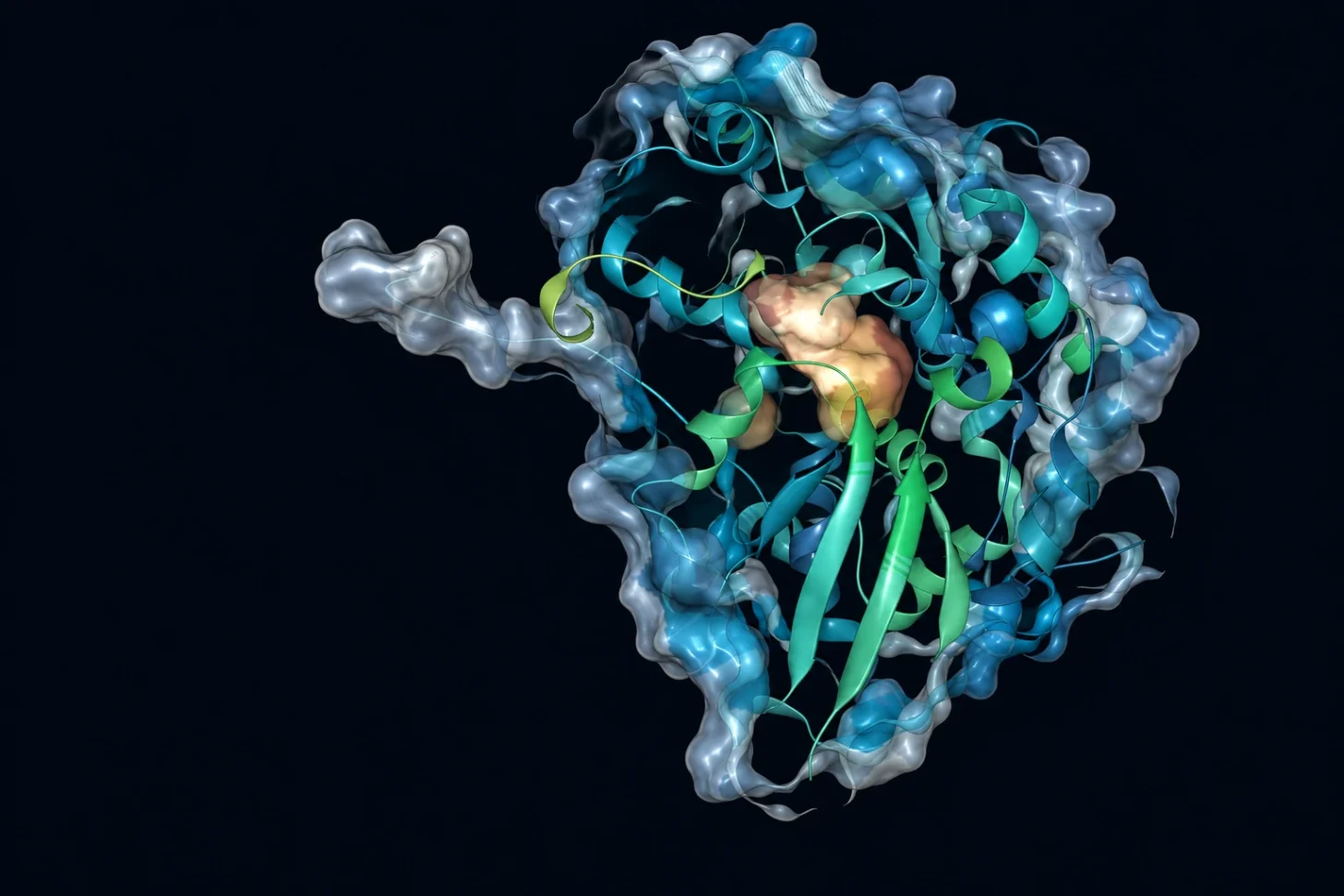
How do waves carry heat?
Describing phonon propagation, the role of interfaces and coherence in nanoscale systems.
Read the papersPHYSICAL BIOLOGY OF COMPLEX SYSTEMS
Understanding how structure shapes
vibrations and transport,
from materials to proteins and DNA.
01 / RESEARCH
One interface, shared questionsThe geometry of a material, a protein or a DNA molecule leaves an imprint on its dynamics.
We combine statistical physics, wave theory and molecular modelling to understand where vibrations concentrate and how energy and matter propagate.
How does structure
organise transport?
How do waves carry heat?
Describing phonon propagation, the role of interfaces and coherence in nanoscale systems.
Read the papersWhere do vibrations concentrate?
Linking vibrational confinement to the geometry of irregular structures, from folded polymers to enzymes.
Read the papersHow are distant regions coupled?
Studying mechanical couplings and energy exchange in proteins, in relation to catalysis and allostery.
Read the papersNEW GROUND
Can DNA mechanics be read along its sequence?
Under UV light, the thermal fluctuations of the double helix leave an imprint, which we read molecule by molecule and relate to its vibrational modes.
DiscoverWhat dose actually reaches a brain metastasis?
Modelling the path of anti-HER2 antibodies from the cerebrospinal fluid into tissue, with the SynKoMIC team (Avicenne Hospital, AP-HP).
Discover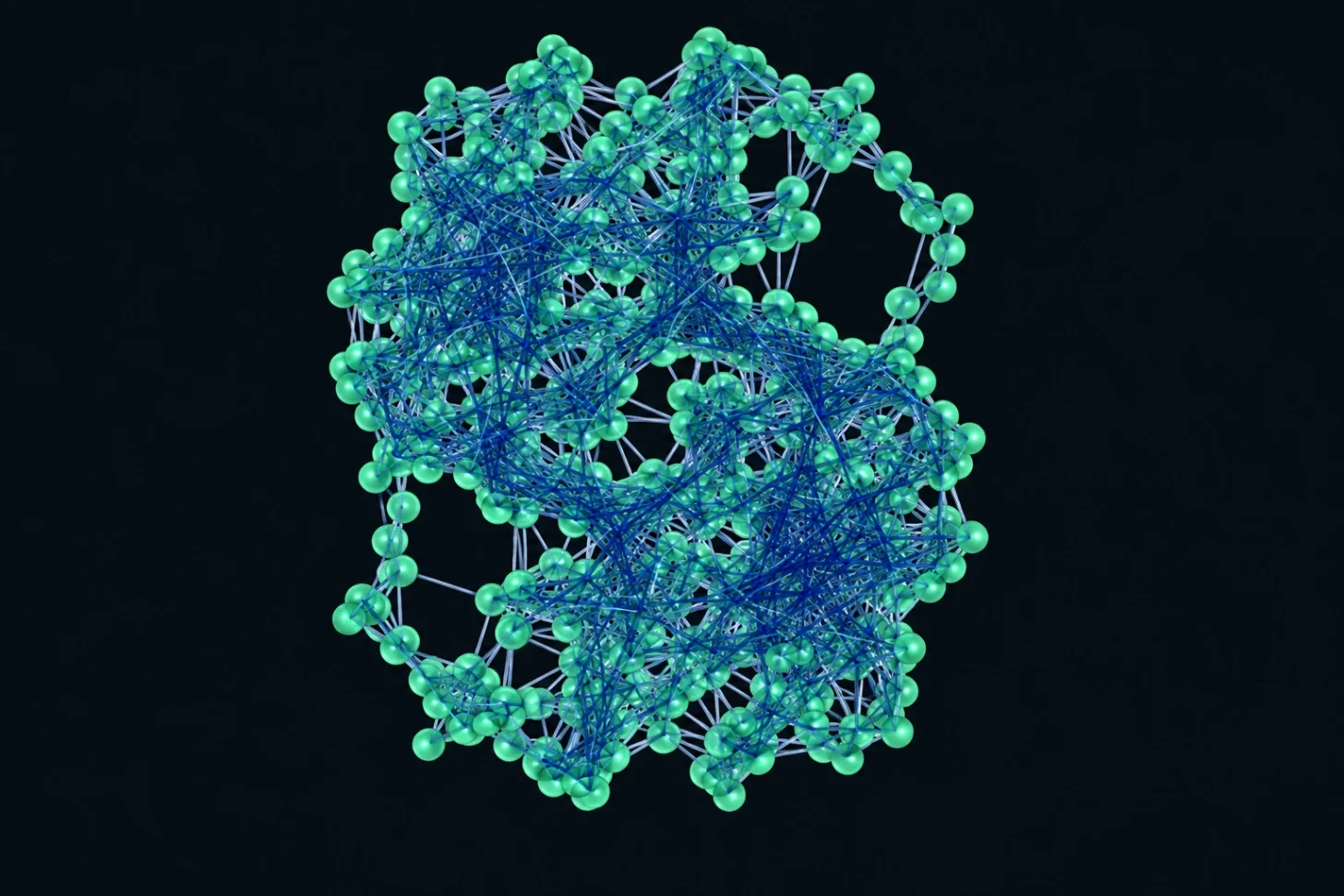 MODEL
Residues and their couplings form a mechanical description of molecular structure.
After Chalopin et al., 2019 · fig. 1B Illustrative adaptation · CC BY 4.0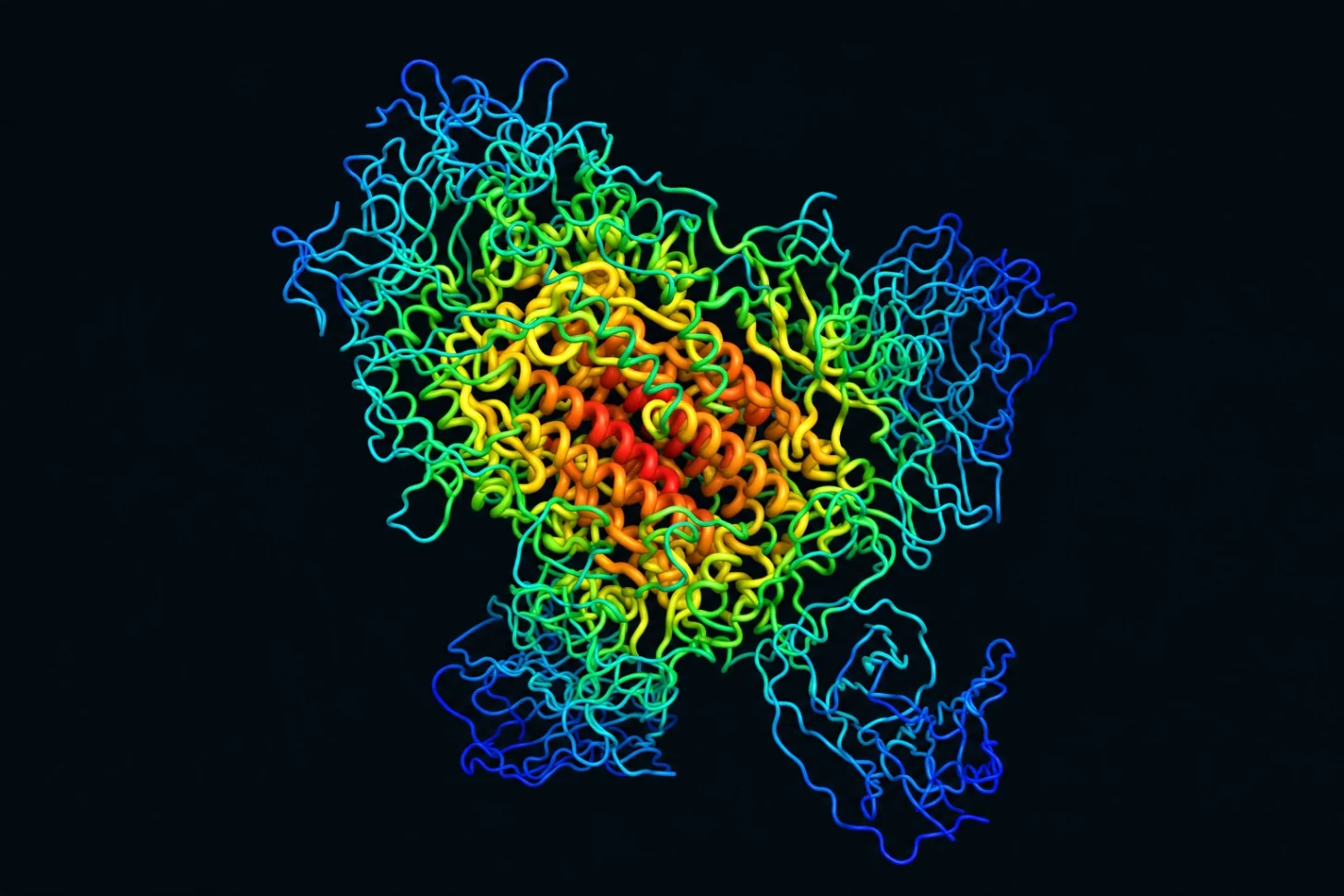 LOCALISE
Localisation landscapes connect spatial organisation to the regions where vibrations are confined.
Localisation landscapes · 2019 paper Retouched Biodelya visual · non-quantitative illustrationIN FOCUS
Two papers · 2026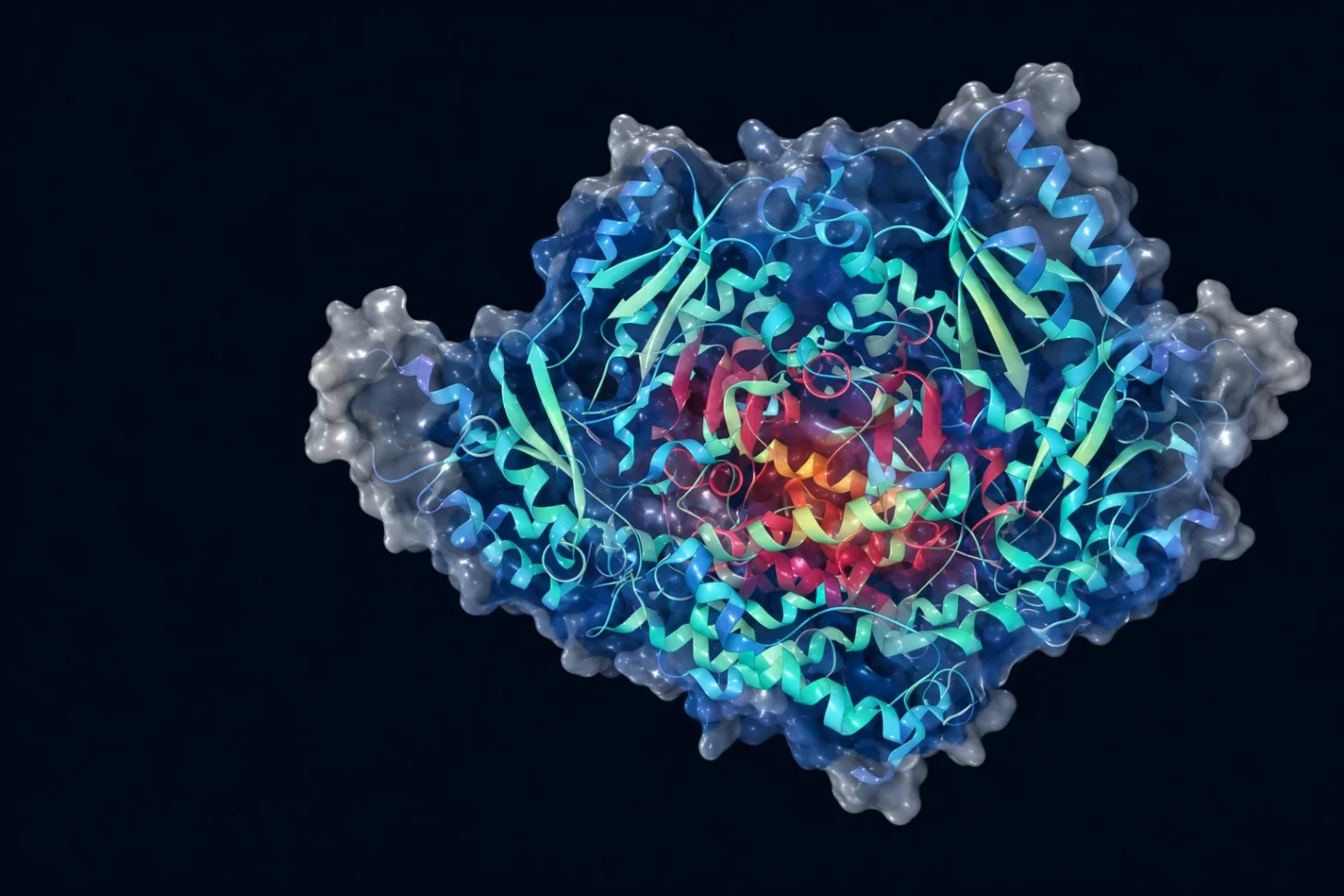
Illustrative coupled-spring model · arbitrary units
Transport connects regions.
Fluctuations reveal their couplings.
Two recent papers address these questions through fluctuation physics and phonon transport.
PHYSICAL REVIEW B · 202602 / DNA
Molecular biophysics · patented methodSequence is not the whole story: the local geometry of the double helix and its internal motions shape its function.
A base is never still: thermal fluctuations constantly deform the stacking of the double helix. DNA photochemistry is sensitive to them: two neighbouring bases only react under ultraviolet light when, for an instant, they sit in a favourable configuration. The imprint left by light is therefore a statistical snapshot of the molecule’s local dynamics. Our approach relates this imprint, measured at the single-molecule level, to the vibrational modes of the double helix computed from its sequence with elastic networks: phonon physics applied to DNA.
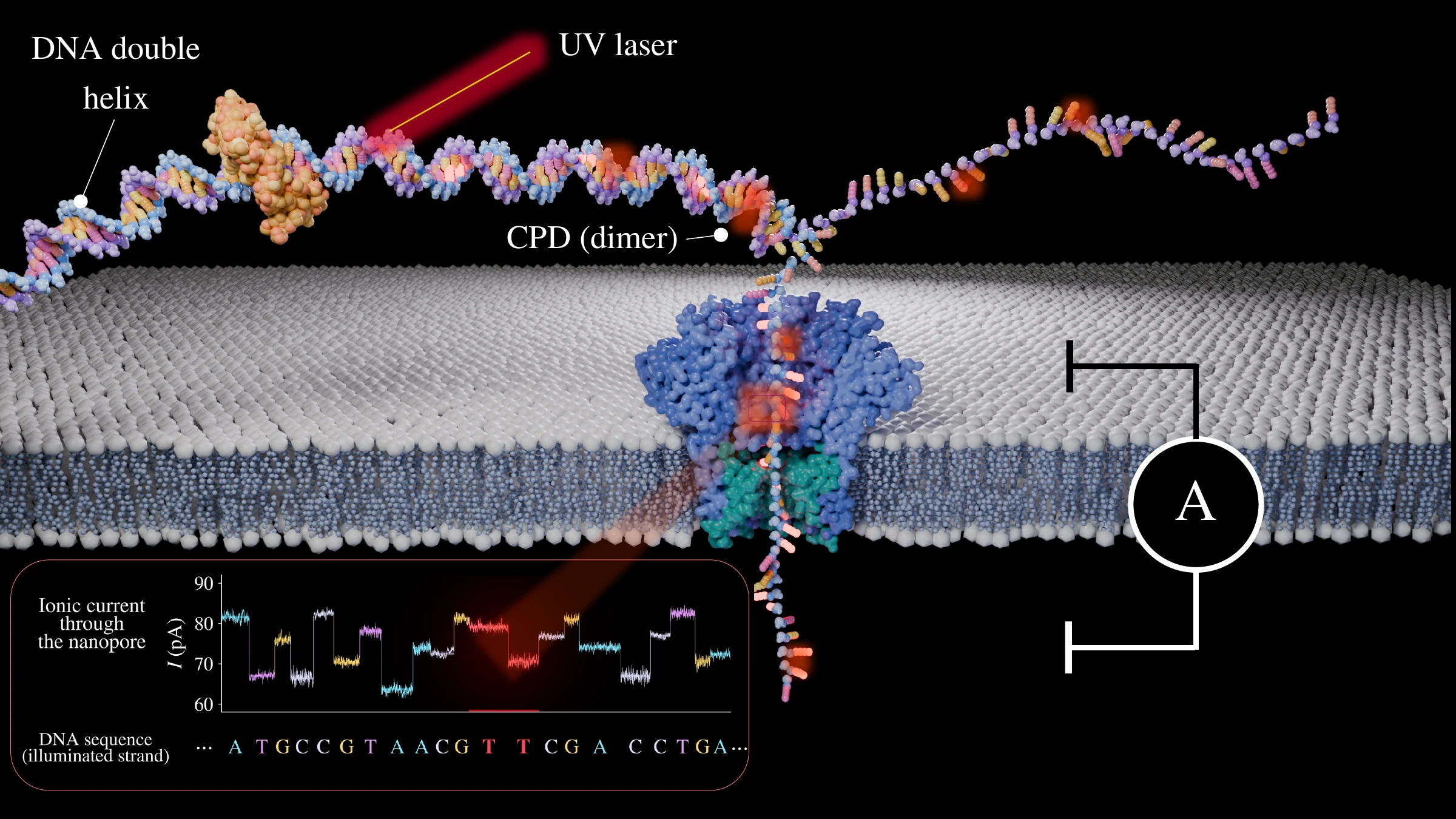
A brief light pulse freezes the instantaneous state of the molecule: the sites that fluctuate most react more.
Single-molecule readout locates the imprint along the sequence, without averaging over a population.
Elastic networks predict, from sequence alone, where vibrational energy localises; the imprint becomes a direct experimental test.
Illustrative animation: synthetic signal, unrelated to measurements.
03 / HEALTH
Ongoing collaboration · Avicenne, AP-HPA targeted therapy only acts where it arrives.
With Eurydice Angeli and Guilhem Bousquet (SynKoMIC team, Avicenne Hospital, AP-HP), we work on brain metastases of HER2+ breast cancer. The aim of this collaboration: to relate the dose of anti-HER2 Fab fragments delivered into the cerebrospinal fluid to the local exposure of brain tissue, using physical models of transport.
04 / INNOVATION
Patent · partnershipsOur transport methods and mechanical reading of DNA open the way to industrial and clinical collaborations.
A measurement of DNA’s mechanical state, molecule by molecule, based on its photochemistry and interpreted through the physics of its vibrations. Label-free and compatible with existing readout platforms. Technical details under a confidentiality agreement.
Green’s functions, elastic networks, diffusion models: our tools apply beyond the laboratory.
05 / PEOPLE
Physics, biology, medicineBiodelya is the physical biology of complex systems group, based at the SPMS laboratory.
Within this joint CentraleSupélec–CNRS unit, part of Université Paris-Saclay, we study the links between structure, fluctuations and transport, with colleagues in physics, mathematics, biology and medicine.
Visit the SPMS laboratoryCNRS research scientist
SPMS · CentraleSupélecHe received his PhD from École Centrale Paris (advisor J.-J. Greffet) and was a postdoctoral researcher at MIT in Gang Chen’s nanoscale energy transport group. His work ranges from phonon transport in disordered media to protein dynamics and DNA mechanics.
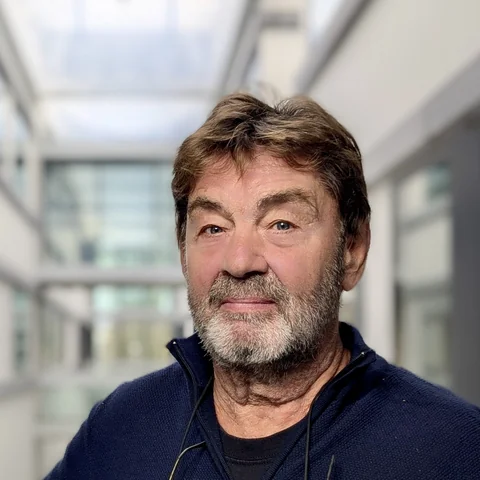
CNRS research director emeritus
LBPA · ENS Paris-Saclay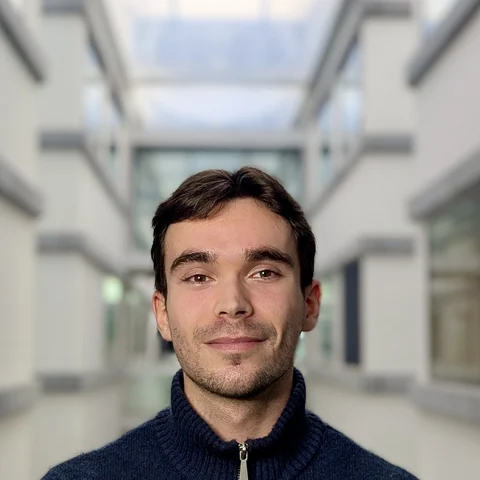
PhD student
CentraleSupélec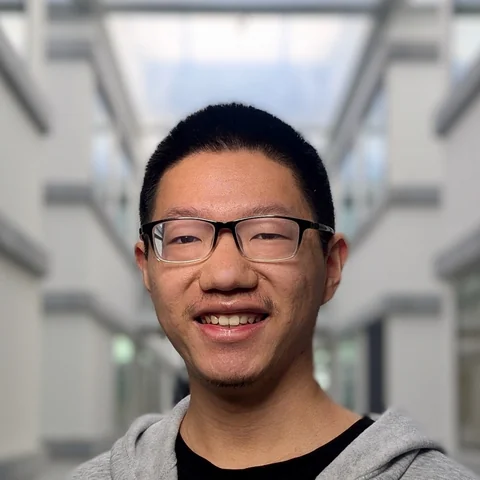
PhD student
SPMS · CentraleSupélecLifu Zhang is a PhD student in Yann Chalopin’s group at CentraleSupélec. He received his Bachelor’s degree in Materials Science and Clean & Renewable Energy Engineering from China University of Petroleum (Beijing), where he contributed to several publications in catalytic engineering, materials mechanics and electrochemistry. During his Master’s studies at PSL – Mines ParisTech in 2025, under the supervision of Dr Mehdi Yemloul, he focused on NMR-based characterisation of molecular dynamics, developing rapid and ultra-rapid NMR pulse sequences and signal-processing algorithms for the analysis of dynamic parameters in biological metabolomics.
With solid experience in programming, machine learning, experimental research and scientific data analysis, he has a sustained interest in structural biology, molecular modelling and computational analysis. His PhD project integrates molecular dynamics, elastic network analysis and structural topology to analyse DNA conformational structures and predict the local landscape at nucleotide resolution in living cells.
COLLEAGUES & LABORATORIES
Co-authors and partners of the work shown here. Affiliations are those of the cited papers and projects.
SynKoMIC team, Avicenne Hospital, AP-HP (E. Angeli, G. Bousquet).
Anti-HER2 Fab fragments and brain metastases: modelling the local exposure of tissue.
LBPA — ENS Paris-Saclay, CNRS (M. Buckle); CentraleSupélec (E. Bethuel).
Photochemical imprint of DNA fluctuations, single-molecule readout and elastic-network models.
LBPA — Laboratory of applied biology and pharmacology, ENS Paris-Saclay, CNRS, Université Paris-Saclay.
EM2C — Laboratory of Macroscopic and Molecular Energetics, Combustion, CentraleSupélec, CNRS, Université Paris-Saclay.
CBM — Centre for Molecular Biophysics, CNRS, University of Orléans (F. Piazza).
School of Mathematics, University of Minnesota (S. Mayboroda).
PMC — Condensed Matter Physics Laboratory, École Polytechnique, CNRS (C. Weisbuch, M. Filoche); Materials Department, UC Santa Barbara (C. Weisbuch).
EM2C — CentraleSupélec, CNRS, Université Paris-Saclay (L. Milhamont).
Sibley School of Mechanical and Aerospace Engineering, Cornell University (Z. Tian, S. Awale).
SETI Institute, Mountain View (S. P. Cramer).
IFP Energies nouvelles, Rueil-Malmaison (S. Arragain).
Work carried out with EM2C, CNRS, CentraleSupélec, Université Paris-Saclay.
EM2C — CNRS, École Centrale Paris, then CentraleSupélec, Université Paris-Saclay.
Division of Engineering and Applied Science, Caltech (B. Latour, affiliation also listed in the 2017 paper).
SPMS — CNRS, École Centrale Paris (H. Dammak), with EM2C.
Laboratoire Charles Fabry — Institut d’Optique, Paris-Sud University, CNRS (M. Laroche, J.-J. Greffet).
Irradiated Solids Laboratory — École Polytechnique, CEA-DSM, CNRS (M. Hayoun).
PARTNER INSTITUTIONS
Identification logos of the institutions represented in the papers and projects. Detailed affiliations are listed above.
06 / PUBLICATIONS
Articles, chapters and conference papersAll our published work in physics and biophysics, with direct links to the original papers.
Reply to a comment: Physical Review Letters 107, 198902 (2011)
07 / ACKNOWLEDGEMENTS
Thanks to our colleagues, PhD students and laboratory staff who make this research possible.
We thank the co-authors cited on this site for the work done together, and the teams at SPMS and partner laboratories for scientific exchanges and daily support.
LabEx NanoSaclay, funded by the ANR under the Investissements d’avenir programme (ANR-10-LABX-0035), is acknowledged in the papers on hydrogenases (2023) and GPCRs (2024).
The 2023 paper acknowledges support to S. P. Cramer from the NIH (GM-65440) and the NSF (MBP 2149122), and thanks Malcolm Buckle for initial discussions.
The authors of the 2019 paper acknowledge NSF INSPIRE and the Simons Foundation: S. Mayboroda’s fellowship and grants 563916 (S. Mayboroda), 601954 (C. Weisbuch), 601944 (M. Filoche).
The 2021 paper thanks Marcel Filoche for discussions at the start of the work. The original papers give the full detail of contributions and funding for each study.
08 / CONTACT
To discuss a paper, a theoretical approach, a licence or a collaboration.
contact@biodelya.comAffiliation: SPMS laboratory. Group members: Biodelya team. Malcolm Buckle’s affiliation: LBPA, ENS Paris-Saclay. Other affiliations and funding are taken from the linked papers. Logos keep their official colours and proportions.
Three molecular illustrations come from Biodelya.com; the elastic-network view adapts figure 1B of Chalopin et al., Scientific Reports 9, 12835 (2019), under CC BY 4.0. These visuals were processed with AI-assisted graphics: they are illustrations, not quantitative maps. The animations (coupled springs, plasmid ring) are teaching models in arbitrary units, with no experimental data.